0141 673 4600
Open 24 Hours
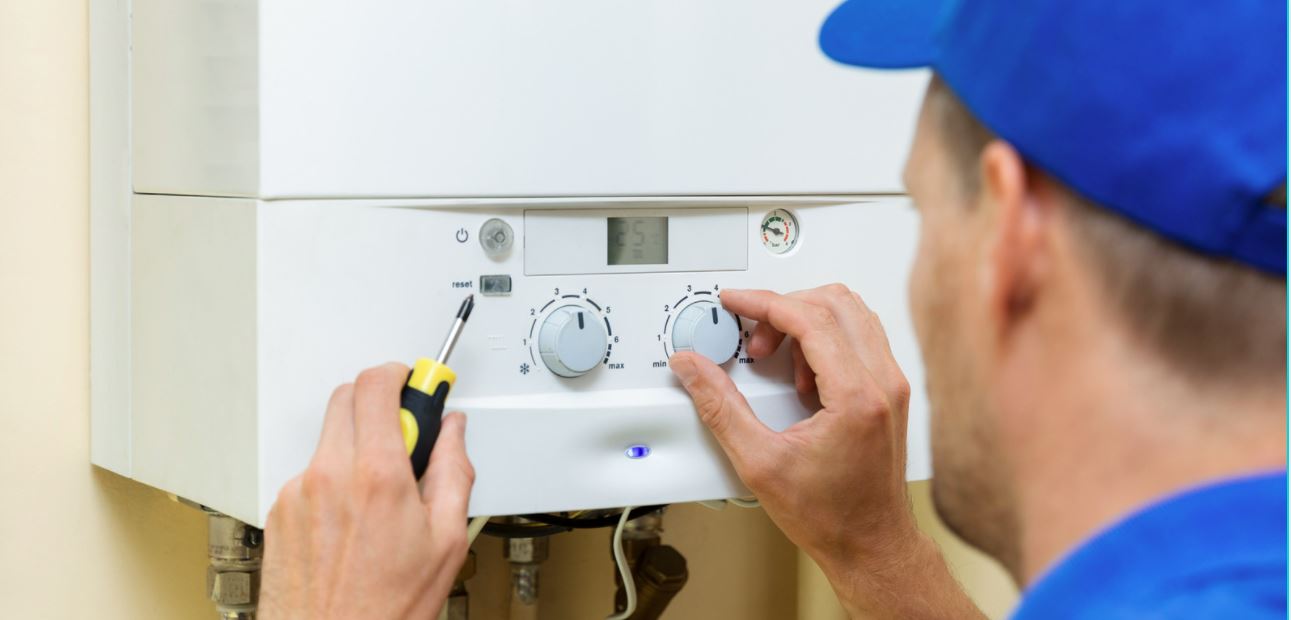
Boilers are the heart of your home's heating system, ensuring warmth and hot water throughout the year. However, even the most reliable boilers can encounter issues from time to time. Knowing how to identify and troubleshoot these problems can save you from unnecessary stress, expense, and discomfort. In this guide, we'll provide a detailed boiler issues overview, discussing the most common boiler problems, how to troubleshoot boiler faults, and when to call in boiler repair technicians for a professional fix.

Fix it: You can top up the system pressure by using the boiler's filling loop. However, if the pressure keeps dropping, it may require professional inspection to pinpoint hidden leaks or component failure.
Troubleshoot it: First, check the thermostat settings to ensure they are correct. If the settings seem fine, a fault diagnosis may be necessary to identify whether the issue lies with a component like the diverter valve or airlock.
What's wrong with it? Check around the boiler for visible signs of leaks. Depending on the location, this issue can be a quick fix, such as tightening a valve, or it may need professional intervention for replacing seals or corroded pipes.
Fix that issue! Start by checking the boiler pressure. If it’s low, top it up. If that doesn’t resolve the issue, a deeper system evaluation by a repair technician is necessary to ensure your boiler doesn’t face more extensive damage.
Troubleshoot it: You can thaw the pipe using warm water, but be cautious. For a long-term solution, a repair technician can insulate the pipe to prevent future freezing.
What's wrong with it? It’s a good idea to call a professional for a performance assessment and to clean the system. They might recommend a chemical flush to remove the limescale and protect the boiler from further damage.
Understanding the key boiler components and how they affect your heating system can help you identify potential issues early. Here are some of the most critical parts of your boiler:
While there are a few boiler problems you can address on your own, such as low pressure or frozen condensate pipes, others require expert knowledge and tools. Let’s explore when to try DIY fixes and when to call in the pros.