0141 673 4600
Open 24 Hours

If you're wondering, "Is my boiler sick?" or noticing your heating system isn't working as efficiently as it should, it may be time to consider boiler repair indicators. Recognizing early signs of boiler issues can save you from more extensive repairs and high energy bills. Here, we’ll cover the key signs that your boiler is in trouble, when to call for repair, and how understanding performance indicators can help prevent major breakdowns.
Boilers, like any mechanical system, give warning signs before they fail completely. These boiler repair indicators can help you spot trouble early and address it before your heating system stops working altogether.
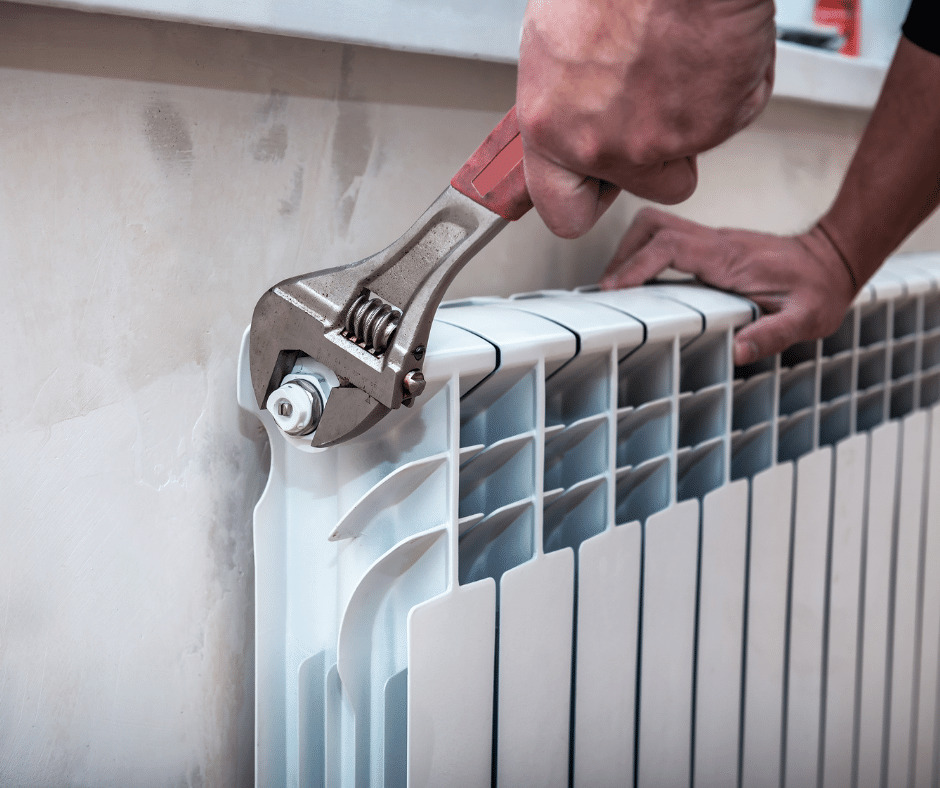
Inconsistent Heat or No Heat If certain rooms aren’t heating up, or there’s no heat at all, this is a clear sign your boiler needs repair. You might hear the system running but feel cold radiators, or the hot water might run out quickly. This can be a problem with the thermostat or the circulator pump failing to distribute heat properly. If you're frequently asking, "Trouble with the heat?", it’s time to investigate further.
Boiler Leaks If you notice water pooling around the boiler or any visible leaks, this is a serious problem that requires immediate attention. Leaks could stem from faulty pressure valves, corroded pipes, or issues within the pressure gauges. Left unchecked, leaks can cause extensive water damage to your home.
Strange Noises Boilers normally operate quietly, so any unusual noises such as banging, whistling, or gurgling are signs of boiler issues. These sounds often signal air trapped in the system, a malfunctioning pump, or kettling, which is caused by limescale buildup on the heat exchanger.
Pilot Light Keeps Going Out The pilot light should stay lit to ensure consistent heat production. If it keeps going out, it could be due to a faulty thermocouple, gas supply issues, or a draft. Checking the warning lights on your boiler can also help you determine if the issue is serious.
Constant Cycling If your boiler keeps turning on and off, it's known as short cycling. This could be due to faulty thermostats or an issue with the system's pressure. When the boiler can’t maintain a steady temperature, it wastes energy and could lead to overheating.
Low Boiler Pressure The pressure gauge on your boiler should generally read between 1 and 1.5 bars. If the pressure consistently falls below this, there might be a leak or an issue with the pressure relief valve. Low pressure will prevent your system from heating water effectively.
High Energy Bills If your heating bill has spiked without a significant change in your usage, it could mean your boiler is working harder than it should. Poor performance indicators like this often point to issues such as clogged components, low efficiency, or improper combustion.
These boiler repair indicators should prompt you to seek professional advice. Ignoring them can lead to costly repairs down the line or even a full system replacement.
Modern boilers come with diagnostic alerts and warning lights designed to inform you when something is wrong. If you're asking, "Time for a check-up?" here’s what to look for:
Red Warning Light: A red warning light is typically the first sign that your boiler has a serious issue. It could indicate anything from low pressure to a blocked flue or gas supply problem. Always consult your boiler manual to understand what the light means for your specific model.
Flashing Error Codes: Many boilers display error codes on their control panels. These codes are diagnostic tools that provide specific information about what might be wrong. For instance, codes might point to thermostat malfunctions, faulty pressure gauges, or a system lockout due to overheating.
Pressure Gauge Reading: The pressure gauge is a key performance indicator. If the needle drops below the normal range, it’s a clear sign of low pressure, likely due to a leak or faulty valve. If the pressure is too high, the boiler might be at risk of exploding or venting excess water through the pressure release valve.
Addressing these diagnostic alerts early can help prevent further damage and ensure your heating system remains efficient.
You might be tempted to put off calling a repair technician, especially if your boiler still works, but ignoring signs of boiler issues can result in larger, costlier repairs later. Here are some clear indications that it’s time to call a professional:
Persistent Fault Codes: If your boiler is showing error codes that persist after a reset, it’s time for a technician. Continuing to run the system could exacerbate the issue.
Frequent Pilot Light Issues: If your pilot light goes out frequently or won’t stay lit, this is more than a minor annoyance—it’s a sign of a bigger issue. It may be caused by a faulty gas valve, a problem with the thermocouple, or even a gas leak. Don’t ignore this; it’s essential for safety.
Regular Pressure Drops: If you’ve topped up the pressure multiple times and it keeps dropping, a more serious issue might be lurking, such as a hidden leak or a failing expansion vessel.
Inefficient Heating: If your boiler has become inefficient and your energy bills are climbing, it’s time for a maintenance reminder. A professional can inspect the system for clogs, worn parts, or performance issues, ensuring it runs at peak efficiency again.
Calling for a repair when you notice any of these boiler repair indicators can prevent small issues from turning into major problems.
Understanding some of the key boiler components can help you better interpret what’s wrong when issues arise. Here are a few essential parts to keep an eye on:
Thermostats: These control the temperature of your heating system. A malfunctioning thermostat can lead to inconsistent heat or no heat at all. If your home is either too cold or too hot, check the thermostat settings first.
Pressure Gauges: These show whether your boiler has the correct pressure. Too high or too low pressure is a strong performance indicator that something is wrong.
Expansion Vessel: This part is responsible for managing pressure within the boiler. A faulty expansion vessel can lead to constant pressure drops or leaks.
Circulator Pump: This pump distributes hot water throughout the system. If it fails, you’ll experience uneven heating or no heat in certain rooms.
Keeping an eye on these performance indicators ensures your boiler operates smoothly.